Air Source Heat Pumps UK: 5 Costly Mistakes to Avoid
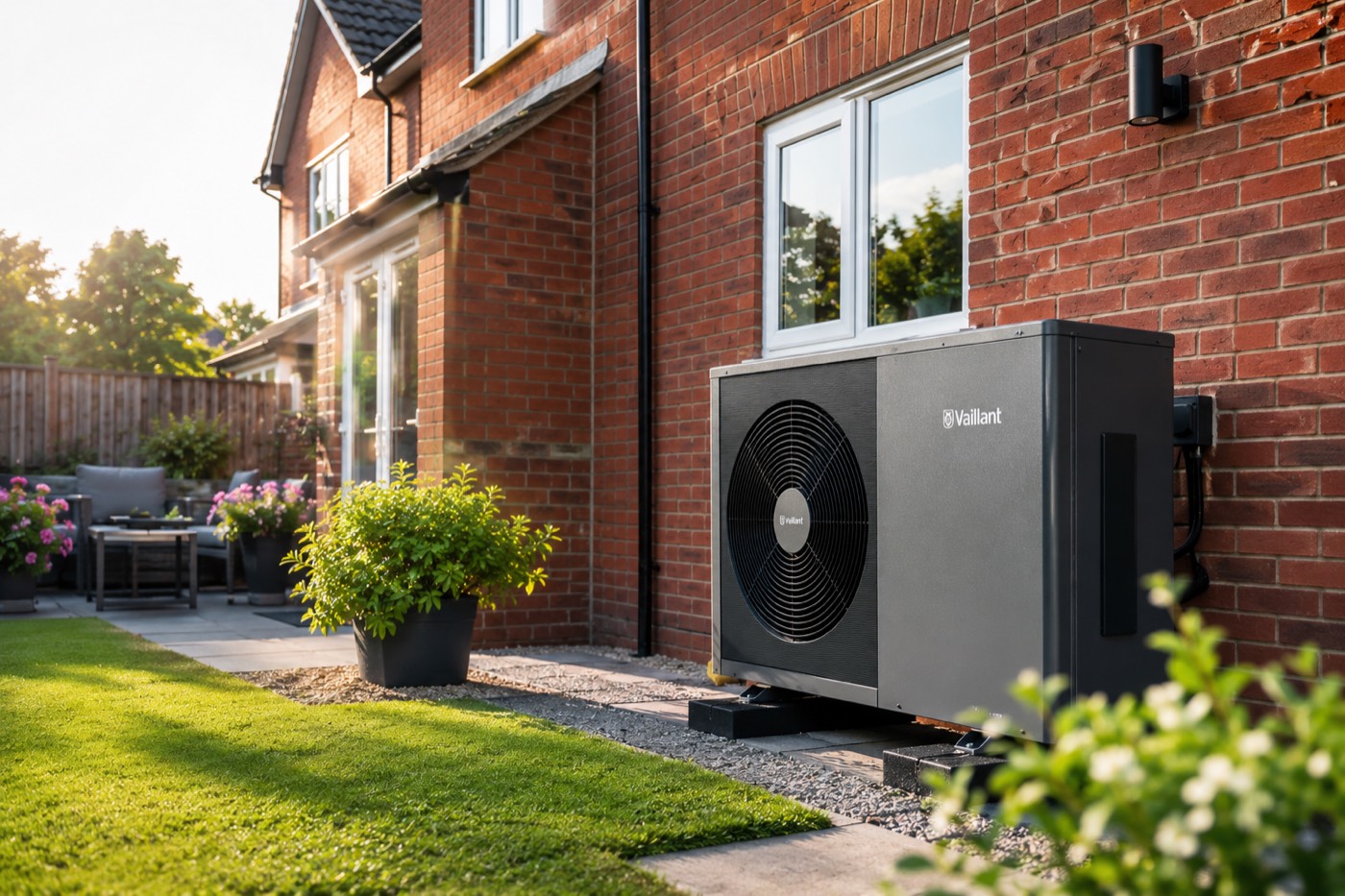
If you are like most British homeowners, checking your energy statement has become an exercise in damage limitation. The April 2026 price cap brought temporary breathing space at £1,641 a year for a typical household, but relief is short-lived. Ofgem has confirmed a 13% rise from 1 July 2026, taking a typical bill to £1,862 a year, around £18 a month more, driven by higher wholesale gas costs. Relying on a traditional gas boiler is no longer a comfortable financial strategy, and thousands of people are turning to air source heat pumps to insulate themselves from this volatility. Before committing, it pays to understand how these systems work in real British weather, because a wrong choice during planning can ruin your long-term return.
Key takeaways for UK homeowners
- Beat the price rise: installing a heat pump reduces your exposure to the rising energy price cap.
- Capitalise on funding: the Boiler Upgrade Scheme gives £7,500 off for most homes, up to £9,000 for homes replacing oil or LPG.
- Insist on MCS certification: you only qualify for government support and export payments if the work is carried out by a fully certified installer.
The reality of air source heat pump performance in the UK
An air source heat pump works like a refrigerator in reverse. The outdoor unit extracts ambient heat from the external air, compresses it to raise the temperature, and transfers that heat into your central heating and hot water cylinder. Many people worry the British winter stops these units working efficiently, but modern systems handle freezing temperatures and operate reliably even below zero.
The real secret to performance is the Coefficient of Performance, or CoP: the ratio of heat output to electrical input. A CoP of around 3 to 4 means 3 to 4 units of heat for every single unit of electricity. That is far more efficient than even the best condensing gas boiler, which runs at roughly 90%.
Comparing heating systems for British properties
| Performance metric | Traditional gas boiler | Air source heat pump |
|---|---|---|
| Average operational efficiency | 88% to 92% | 300% to 400% (CoP 3.0 to 4.0) |
| Carbon footprint | Higher | Up to around 70% lower (grid dependent) |
| Average lifespan | 10 to 12 years | 15 to 20 years |
| Fuel price vulnerability | High, subject to global markets | Lower, mitigated by smart tariffs |
5 costly mistakes to avoid
1. Neglecting your existing insulation
A heat pump delivers consistent low-temperature heat over long periods. If your home loses heat fast through uninsulated walls or a bare loft, the unit works twice as hard, which hurts efficiency and raises your electricity use. Seal draughts and improve insulation before installing any new heating hardware.
2. Sizing the outdoor unit incorrectly
Under-sized systems run constantly without reaching the setpoint, leaving you cold and inflating bills. Over-sized systems short-cycle, causing wear on the compressor and shortening its lifespan. Qualified technicians run room-by-room heat loss calculations to find the right capacity for your property.
3. Keeping small, outdated radiators
Gas boilers run hot, around 70C, so they can use small radiators. Heat pumps run cooler, typically 35C to 55C, so they need a larger surface area to deliver the same warmth. Keeping old, narrow radiators forces the heat pump to run hotter and less efficiently. Upgrading to larger radiators or underfloor heating gives the best results.
4. Ignoring smart and time-of-use tariffs
Running a heat pump like an old gas boiler, switched off at night and blasted in the morning, is inefficient. Use time-of-use tariffs and schedule hot water and heating for cheaper off-peak hours to cut your running costs.
5. Missing the funding
The Boiler Upgrade Scheme gives £7,500 for most homes, up to £9,000 for homes replacing oil or LPG. Make sure an approved voucher is in place through a certified installer before work begins, so you do not miss out on the funding you are entitled to.
Shifting focus from grants to long-term grid freedom
Saving thousands with a grant is a great bonus, but the real prize is long-term energy independence. As the UK shifts away from fossil fuels, oil and gas are becoming increasingly expensive. By switching to an air source heat pump, you reduce your exposure to international gas prices.
Pairing a heat pump with solar panels and battery storage can cut your winter grid dependence even further. Homeowners who combine these technologies often protect their budgets from future market shocks.
Frequently asked questions
How much is the Boiler Upgrade Scheme grant worth?
The Boiler Upgrade Scheme offers up to £9,000 off an air source heat pump. Most homes receive £7,500, while homes replacing oil or LPG heating currently qualify for a temporary extra £1,500, taking the total up to £9,000. The grant is paid through a certified installer, who confirms your eligibility and arranges the voucher before work begins.
Do air source heat pumps work in UK winters?
Yes. Modern air source heat pumps operate reliably even when temperatures drop below freezing. Performance is measured by the Coefficient of Performance (CoP): a CoP of around 3 to 4 means the unit delivers 3 to 4 units of heat for every unit of electricity it uses. That makes them far more efficient than a gas boiler running at roughly 90%, even in cold weather.
Do I need to upgrade my radiators for a heat pump?
Often, yes. Gas boilers run hot, around 70C, so they can use small radiators. Heat pumps run cooler, typically 35C to 55C, so they need a larger surface area to deliver the same warmth. Keeping old, narrow radiators forces the heat pump to work harder and less efficiently. Larger radiators or underfloor heating usually give the best results.
Why does insulation matter before installing a heat pump?
A heat pump delivers steady, low-temperature heat over long periods, so it works best in a home that holds onto that heat. If warmth escapes quickly through uninsulated walls or a bare loft, the unit has to work harder, which pushes up your electricity use. Sealing draughts and improving insulation first helps your system run efficiently from day one.