Can a Heat Pump Cool Your Home in Summer?
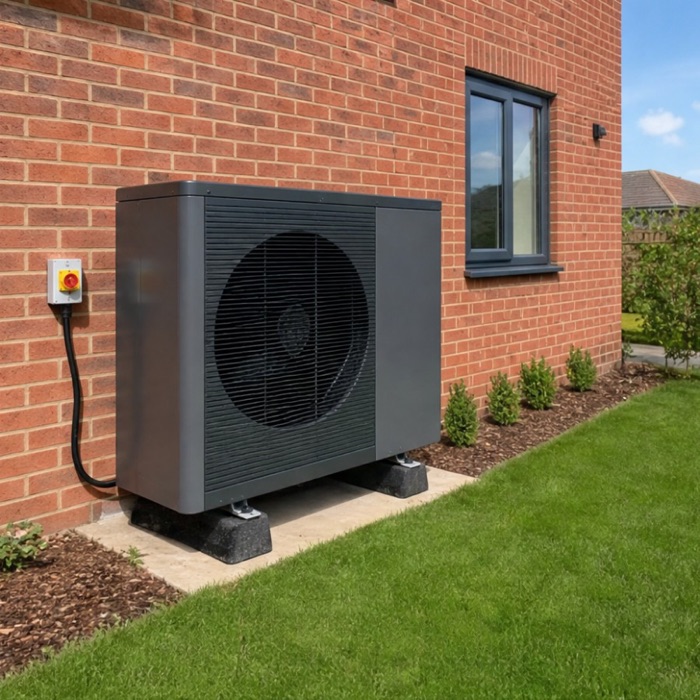
When most people hear the words "heat pump", they think about staying warm through winter. That is understandable, as heat pumps are primarily designed to provide efficient heating and hot water during the colder months. Yet many homeowners are surprised to learn that some systems can also help improve comfort when the weather turns warm.
As UK summers bring higher temperatures and more frequent heatwaves, more homeowners are asking the same question: can a heat pump cool your home in summer? The answer depends on the type of system, how it has been designed and how it is installed. Not every setup can provide cooling, but some systems can help create a more comfortable indoor environment when temperatures rise.
Why more UK homeowners are thinking about cooling
Historically, cooling has not been a major priority for British households. Unlike countries with consistently hot climates, UK homes have traditionally been built to retain heat rather than remove it. In recent years, though, warmer summers have become increasingly common.
Many homeowners now find themselves dealing with overheated bedrooms, uncomfortable living spaces and disrupted sleep during hot spells. As a result, people are exploring practical ways to improve comfort without necessarily installing a separate air conditioning system. This growing interest is one reason more homeowners are asking whether a heat pump could help with cooling as well as heating.
How heat pumps work
To understand how cooling may be possible, it helps to understand how heat pumps work. Unlike traditional boilers, heat pumps do not generate heat by burning fuel. Instead, they transfer heat from one place to another. During winter, an air source heat pump extracts heat energy from the outside air and moves it into your home. This transfer process is what makes heat pumps highly efficient compared with many conventional heating systems.
Some heat pump systems can reverse this process. Rather than bringing heat into the property, they can transfer excess heat out of the home. This is what allows certain installations to contribute to cooling during warmer months, and it often surprises homeowners who assumed heat pumps were only useful in winter.
Can every heat pump cool your home?
The short answer is no. Not every heat pump installation is designed to provide cooling. Whether cooling is possible depends on several factors, including:
- the type of heat pump installed
- the overall system design
- the heating distribution system
- the property's layout
- the way the system has been configured
This is why it helps to discuss your goals with a qualified installer before making any decisions. If improving summer comfort matters to you, an experienced installer can explain what is possible for your property and whether cooling functionality can be built into the design.
What does heat pump cooling feel like?
One common misconception is that heat pump cooling works exactly like traditional air conditioning. In reality, the experience can be quite different. Many systems are designed to provide a more gradual and subtle form of cooling rather than an immediate blast of cold air. The goal is often to maintain a comfortable indoor temperature rather than dramatically reduce it.
For homeowners, this usually means a more stable and pleasant indoor environment during warm weather rather than a sudden chill. The exact experience varies with the system, the property and the installation design, so realistic expectations are important.
Benefits beyond summer comfort
Even if cooling is not your main reason for considering a heat pump, the technology offers several broader benefits. Many homeowners choose heat pumps because they can help provide:
- efficient home heating
- lower carbon emissions
- reduced reliance on fossil fuels
- improved energy efficiency
- year-round comfort
For some households, the ability to contribute to cooling in summer simply becomes an added bonus on top of these wider benefits.
Is cooling a good reason to install a heat pump?
For most homeowners, heating performance remains the main reason for installing a heat pump. After all, UK homes need heating for a much larger portion of the year than they need cooling. As summers become warmer, however, the ability to improve indoor comfort during hot weather is becoming an increasingly attractive feature. Rather than viewing cooling as the primary benefit, many homeowners see it as an additional advantage alongside the system's heating, efficiency and environmental credentials.
Why proper system design matters
When cooling is on the table, system design becomes especially important. Factors such as insulation levels, room sizes, property layout and heating distribution all influence what may be achievable. The best solution for one home may not be the best solution for another.
That is why professional advice is essential. A qualified installer can assess your property, explain your options and help set realistic expectations based on your individual circumstances. A free, no obligation home visit is often the best way to find out what would suit your home.
Final thoughts
Many homeowners are surprised to discover that some heat pump systems can contribute to comfort during warmer weather. While not every installation is designed to provide cooling, the capability does exist in the right situations when the system and property are suitable. As UK summers continue to change, it is likely that more homeowners will explore this side of heat pump technology. The key is understanding what is possible for your specific home and speaking with a qualified installer who can offer advice tailored to your property.
Frequently asked questions
Can a heat pump cool your home as well as heat it?
Some heat pump systems can contribute to cooling, but not every installation is set up to do so. Whether cooling is possible depends on the type of heat pump, the system design and how it has been configured. If summer comfort matters to you, it is worth raising this with a qualified installer before any work begins so cooling can be considered as part of the design.
Does heat pump cooling work like air conditioning?
Not exactly. Many systems are designed to provide a more gradual and subtle form of cooling rather than the immediate blast of cold air you might expect from traditional air conditioning. The aim is usually to maintain a comfortable, stable indoor temperature rather than dramatically reduce it. The experience varies depending on the system and the property.
Will adding cooling make my heat pump less efficient at heating?
Heating performance remains the main reason most UK homeowners install a heat pump, and a well-designed reversible system is built to deliver efficient heating across the colder months. Cooling is generally an additional feature rather than a trade-off. A qualified installer can explain how cooling fits alongside your heating needs for your particular home.
Is the Boiler Upgrade Scheme grant available for heat pumps?
Yes. The Boiler Upgrade Scheme offers a grant of up to £9,000 towards a heat pump in England and Wales, with £7,500 available for most homes and a temporary extra £1,500 currently for homes replacing oil or LPG. The grant supports the heat pump installation itself rather than cooling specifically. A qualified MCS-certified installer can confirm eligibility for your property.