Are Solar Panels Worth It for UK Homeowners in 2026?
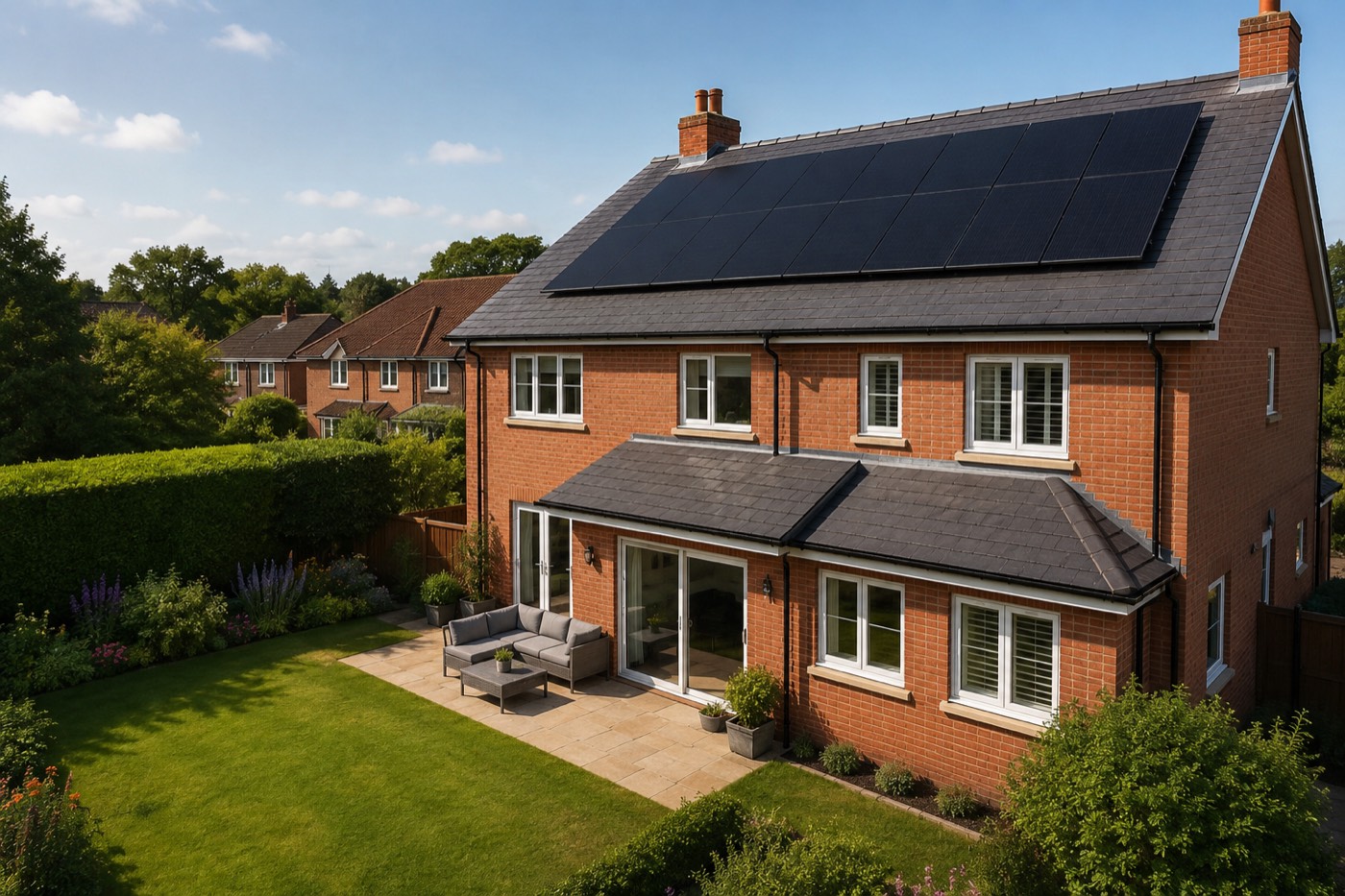
One of the most common questions homeowners ask when researching renewable energy is whether solar panels are still worth the investment. A few years ago the answer seemed obvious: rising energy prices dominated the headlines and many households were looking for ways to reduce their dependence on suppliers. Today the conversation has evolved. While energy costs remain a concern, many homeowners now take a longer-term view, wanting greater control over household expenses, more energy independence and practical ways to future-proof their homes. So are solar panels still worth it in 2026? For many UK households the answer is yes. The real question, though, is not whether solar panels are worth it in general, but whether they are worth it for your specific property and circumstances.
Why more homeowners are looking at solar again
One of the biggest reasons homeowners continue to explore solar is the desire for greater control over energy costs. Traditional energy prices can be difficult to predict. Markets fluctuate, suppliers change tariffs and household expenses continue to rise. Solar panels offer an opportunity to generate some of your own electricity rather than relying entirely on power purchased from the grid. For many homeowners this is not just about reducing bills. It is about gaining confidence and predictability in an area of household spending that can often feel outside their control.
The savings question
When people ask whether solar panels are worth it, they are usually thinking about one thing first: savings. The potential savings from solar depend on several factors, including:
- Property location
- Roof orientation
- System size
- Household energy usage
- How much electricity is used during daylight hours
Because every property is different, it is impossible to provide a single savings figure that applies to everyone. However, many homeowners find that generating some of their own electricity helps reduce the amount they need to buy from the grid. Over time these savings can become significant, particularly when viewed as part of a long-term investment in the home.
Solar is not just for new homes
A common misconception is that solar panels only make sense for newly built properties. In reality, many existing homes can be suitable for solar installations. Whether you live in a detached house, a semi-detached property or a bungalow, factors such as roof space, roof condition, orientation and shading are often more important than the age of the property itself. Many homeowners are surprised to discover that their home may be a better candidate for solar than they first assumed. A professional assessment can help provide a clearer picture of what is possible.
Energy independence matters more than ever
While financial savings remain important, they are not the only reason homeowners choose solar. Many people like the idea of generating some of their own electricity and reducing their reliance on external suppliers. This can provide:
- Greater control over energy usage
- Increased awareness of consumption habits
- Reduced dependence on market fluctuations
- Additional peace of mind
For some households these benefits are just as valuable as the potential financial savings.
Thinking long-term
Solar panels should generally be viewed as a long-term home improvement rather than a short-term purchase. The decision is not simply about what happens next month or next year. It is about how solar could benefit your home over many years to come. Homeowners often consider:
- Long-term energy savings
- Energy security
- Sustainability goals
- Future energy prices
- Property improvements
Taking a longer-term perspective often leads to a more balanced and informed decision.
Domestic solar panels and battery storage currently benefit from 0% VAT in the UK, a relief that applies until 31 March 2027. Where a system is MCS certified, the Smart Export Guarantee can also pay homeowners for surplus electricity exported to the grid.
The importance of choosing the right installer
Like any major home improvement project, the quality of the installer plays a significant role in the overall outcome. A professional installer should take the time to assess your property properly, explain your options clearly and provide realistic recommendations based on your circumstances. The cheapest quote is not always the best value. Many homeowners find greater confidence in working with trusted, MCS certified installers who prioritise education, transparency and quality workmanship.
So, are solar panels worth it?
For many homeowners in 2026, solar remains an attractive option. Not because it is guaranteed to be the right solution for every property, but because it offers a combination of potential benefits, including:
- Potential energy savings
- Greater energy independence
- Long-term value
- Increased control over household energy usage
The right decision ultimately depends on your property, your goals and your circumstances. That is why personalised advice is so important.
Final thoughts
Solar panels continue to be one of the most popular renewable energy improvements available to UK homeowners. Rather than asking whether solar panels are worth it, a better question is: are solar panels worth it for my home? The answer depends on factors such as your roof, your energy usage and your long-term goals. A professional assessment can help provide the clarity needed to make a confident decision.
Frequently asked questions
Are solar panels worth it for UK homeowners in 2026?
For many UK households, solar can be worthwhile in 2026, though it depends on your property and circumstances. Factors such as roof orientation, available roof space, shading and how much electricity you use during daylight hours all influence the value you might see. Rather than asking whether solar is worth it in general, it is more useful to ask whether it is worth it for your specific home. A professional assessment can help clarify what is realistic for you.
Is there any tax relief on installing solar panels?
Yes. Domestic solar panels and battery storage currently benefit from 0% VAT in the UK, a relief that applies until 31 March 2027. This can reduce the upfront cost of having a system installed. As with any major home improvement, it is worth confirming the current position with a qualified installer before committing.
Can I get paid for the electricity my solar panels export?
You may be able to. The Smart Export Guarantee allows homeowners to be paid for surplus electricity they export to the grid, provided the system is MCS certified. Different suppliers offer different export tariffs, so it is worth comparing options. Choosing an MCS certified installation is an important step if you want to access these payments.
Do solar panels only suit new build homes?
No, this is a common misconception. Many existing homes, including detached, semi-detached properties and bungalows, can be suitable for solar. Factors such as roof space, roof condition, orientation and shading usually matter more than the age of the property. A professional assessment can show whether your home is a good candidate.